


Cole-Dalton Marketing Services Blog

Learn how websites, SEO, blogs, reviews, social media, and consistent online marketing can help your business become more visible in AI search queries and results.
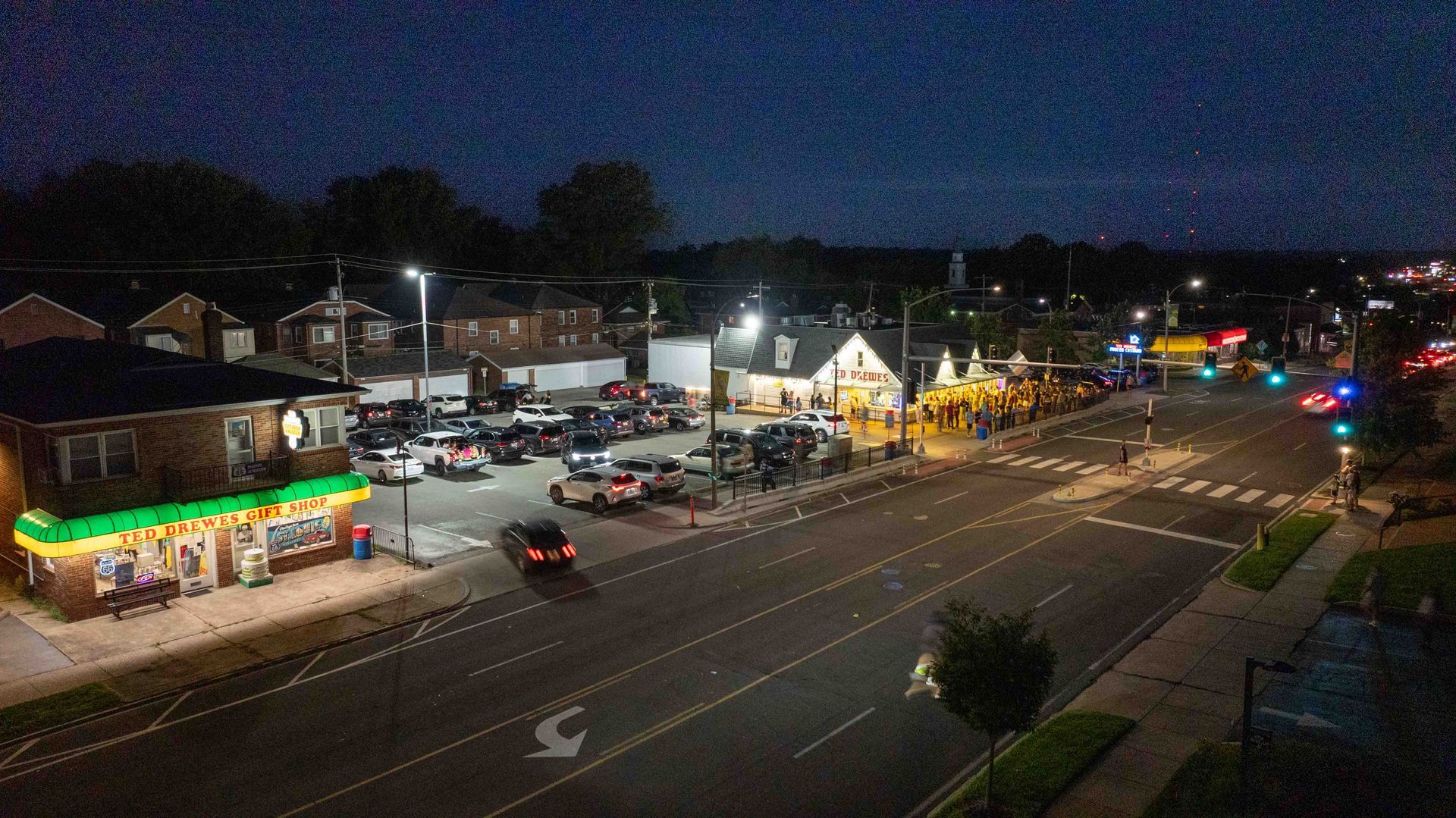
Learn how drone photography and videography help businesses capture attention, improve engagement, showcase projects, and stand out online.

Many business owners don't realize that the moment a drone is used to support a business activity, strict FAA regulations apply. Whether you're collecting photos for your website, documenting a construction project, or inspecting a commercial building, understanding the rules can protect your business from liability, prosecution, fines, and unnecessary risk.

Discover five overlooked commercial drone applications that improve inspections, mapping, security, marketing, and data collection while reducing costs.

Learn why email and social media marketing are more important than ever in an AI world for building trust, boosting engagement, and driving online business growth.

Trust is the foundation of effective marketing, driving loyalty and long-term growth while supporting AEO through clear, consistent, user-focused online content.
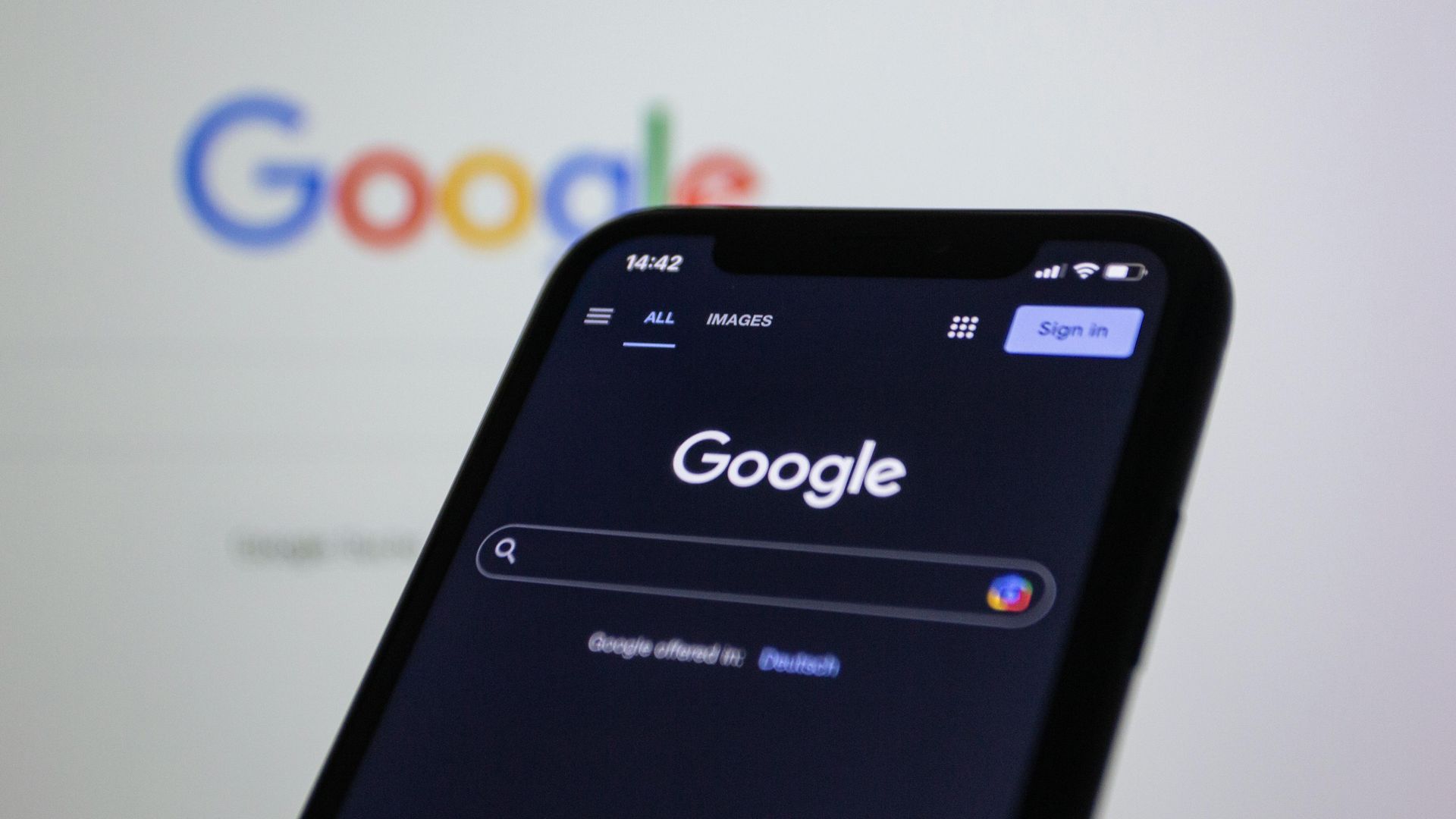
Learn how to dispute unfair Google reviews by flagging policy violations, submitting reports, and appealing decisions to protect your business reputation online.

What is Artificial Intelligence, and how does it work for small businesses? Learn the basics plus key dos and don'ts to use AI effectively without losing control.

Discover what exactly AEO is, how to get the most out of it from an organizational perspective, and how our team at Cole-Dalton Marketing can help you along the way.

